Mechanical Broadhead Review
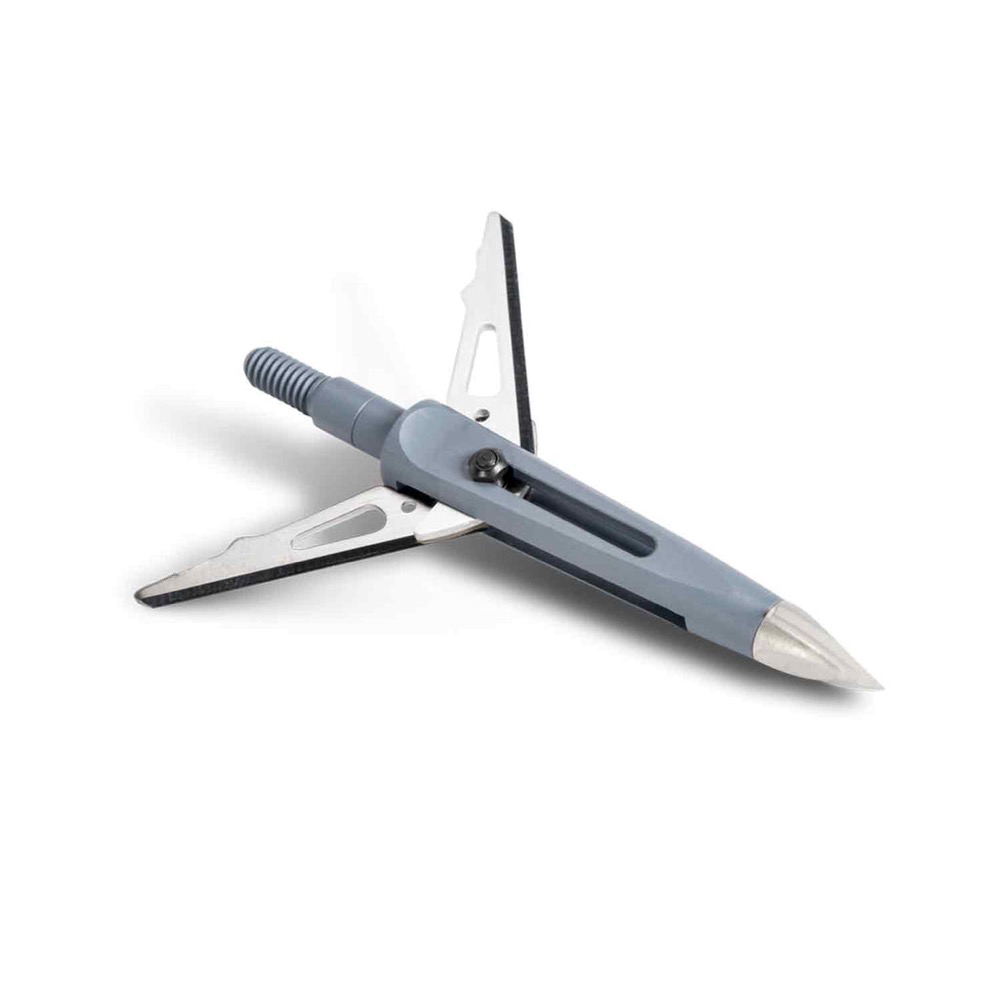
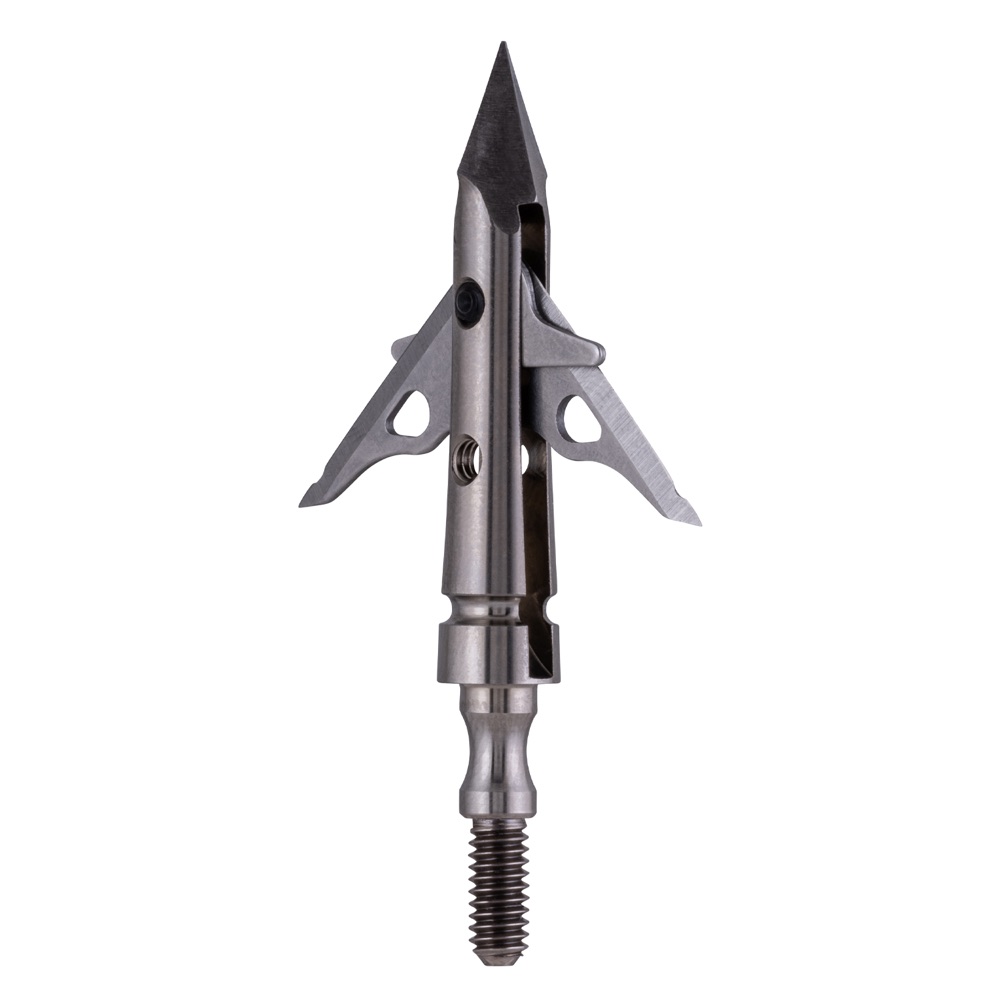
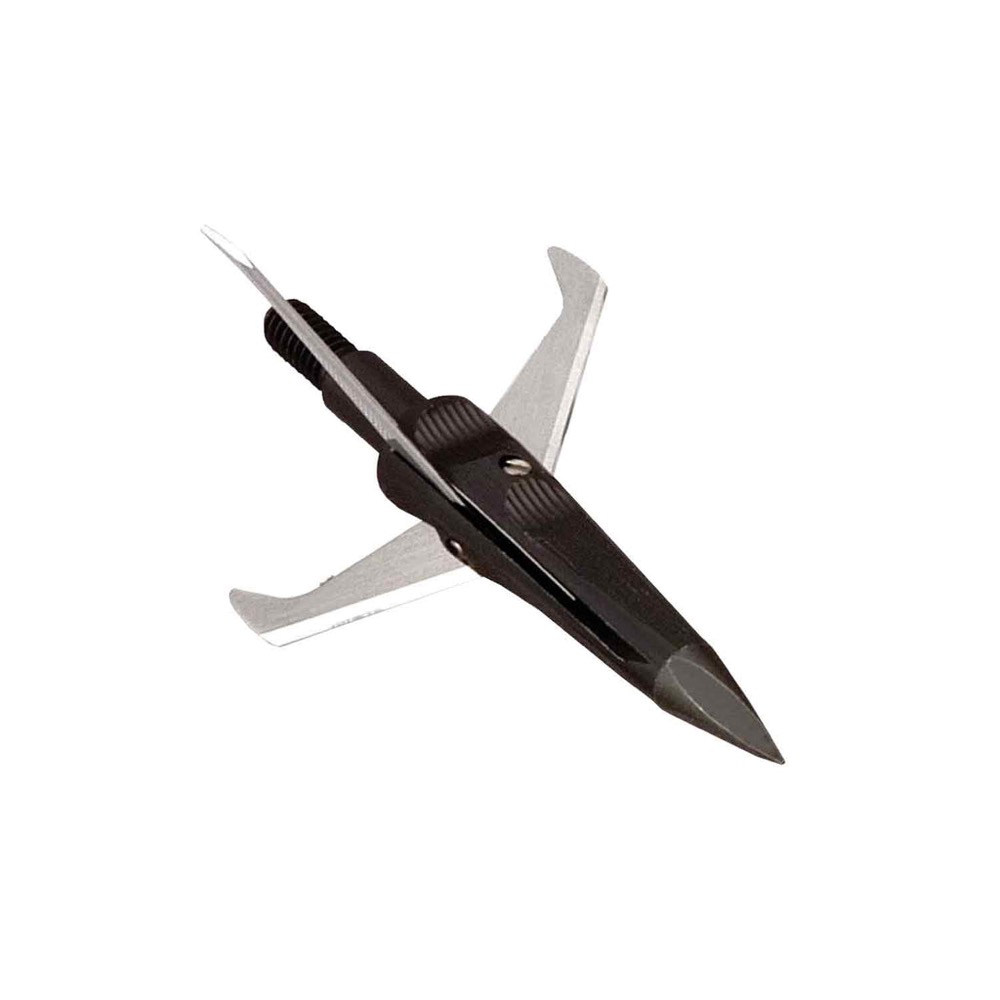
NAP Spitfire Review
A legacy three-blade front-deploy mechanical with a loyal following and a reputation for big holes on well-placed shots.
How it scored
Scored on our fixed 5-part system — built from the consensus of field reports, video tests and hunter feedback. Each axis is an independent 0–10 score. How we score ↗
What we liked
- Loyal legacy following — 'still one of the best mechanicals'
- Three-blade 1.5-inch cut produces big blood trails
- Reliable pass-throughs on well-placed broadside shots
- Generally good flight
- Steel chisel tip and band-free spring-clip design
Where it falls short
- Blades held by friction alone — retention concerns
- Poor penetration on angled or marginal shots
- QC grumbling after overseas manufacturing move
Flight & accuracy
The Spitfire has flown well for decades, and the compact folded profile with steel chisel tip keeps it field-point honest at typical hunting ranges. Its front-deploy spring-clip design needs no rubber bands or O-rings, which simplifies setup and removes a common failure point of other mechanicals.
Most hunters report no tuning headaches inside 40 yards on a properly set up bow or crossbow. Flight is one of the head's genuine strengths.
Penetration
On a well-placed broadside shot with adequate energy, the Spitfire's three .031-inch blades and 1.5-inch cut deliver reliable pass-throughs — exactly what its longtime fans praise. The narrow cut helps it get through deer-sized soft tissue cleanly.
Penetration falls off sharply on angled or marginal shots, however. The three-blade geometry creates more resistance than a two-blade, and on quartering shots or behind underpowered rigs the head can stall. NAP guidance lands around a 50 to 55-pound draw and roughly 50 foot-pounds as a minimum — respect that floor.
Durability & edge retention
The aluminum ferrule and thin .031-inch blades are adequate for soft-tissue work but not built for heavy bone. Edge retention on the Diamize blades is fine for a single shot, and the head holds up acceptably on clean hits.
The bigger durability conversation is about retention rather than breakage: the blades are held by friction alone via the spring clip, and some hunters worry about premature opening or shifting in the quiver and on the shot.
Blood trail
Blood is the Spitfire's calling card. Three blades cutting 1.5 inches create three-leak wounds that bleed well, and the head is known for big, followable trails on good shots — a major reason its following has stayed loyal across generations.
As always with mechanicals, the trail depends on placement and a clean pass; on stalled or single-hole angled hits the blood can disappoint. But on a textbook broadside double-lung, it performs.
Value & who it's for
At about $40 for three it is sensibly priced, and for a hunter who shoots broadside inside 40 yards it delivers good blood and reliable pass-throughs for the money. The legacy reputation is largely earned.
It suits whitetail and crossbow hunters running at least a 50 to 55-pound draw who want a proven big-blood mechanical and will keep shots clean. Buyers should weigh the friction-only retention and the QC grumbling that followed NAP's overseas manufacturing move, and inspect heads carefully out of the package.
Specifications
| Brand | NAP |
|---|---|
| Type | Mechanical |
| Cutting diameter | 1.5" |
| Blades | 3 front-deploy |
| Grain options | 100gr, 125gr |
| Blade / steel | .031" Diamize stainless blades |
| Ferrule | Micro-grooved aluminum |
| Pack | 3-pack |
| Approx. price | ~$40 / 3-pack |
| Best for | Whitetail, Crossbow |
Specs and pricing are approximate and change frequently — confirm with the retailer before buying.
FAQ
How much draw weight does the NAP Spitfire need?
NAP guidance points to roughly a 50 to 55-pound draw and about 50 foot-pounds of energy as a minimum. The three-blade design creates more resistance than a two-blade mechanical, so penetration suffers on underpowered rigs and especially on angled shots. Keep shots broadside and make sure your setup clears that floor.
Are the NAP Spitfire blades reliable since they have no rubber bands?
The Spitfire uses a front-deploy spring clip rather than O-rings or bands, which removes one common failure point but holds the blades by friction alone. Some hunters raise retention concerns about premature opening or shifting. Inspect each head before hunting, and be aware that QC grumbling followed NAP's overseas manufacturing move.
Is the NAP Spitfire good for crossbows?
Yes — crossbows usually supply ample energy for the Spitfire, and the band-free spring-clip design tolerates the higher launch forces. Keep shots broadside on deer-sized game inside reasonable range, where the three-blade 1.5-inch cut produces big blood trails and reliable pass-throughs.
Sources
Sentiment for this review was aggregated from independent tests, hunting forums and retailer reviews, including: